
Steve Wozniak
Co-founder of Apple Inc. and personal computer pioneer.

vonguard from Oakland, Nmibia · CC BY-SA 2.0
Stephen Gary Wozniak—often called Woz—was born on August 11, 1950, in San Jose, California. His father was an engineer at Lockheed, and his mother was from Washington state. He has a brother and a sister. His birth certificate reads "Stephan," but his mother intended "Stephen," which he uses. He is of Polish and German ancestry. As a young man, he built a "blue box" for phone phreaking, which earned him the nickname "Berkeley Blue," and he later credited *Star Trek* and the Tom Swift Jr. books as inspirations for his engineering career.
In 1969, Wozniak was expelled from the University of Colorado Boulder for hacking the computer system. He then attended De Anza College before transferring to UC Berkeley. In 1971, with a friend, he built his first computer using punch cards and 20 TTL chips, calling it "Cream Soda." A reporter accidentally destroyed it by stepping on the power cable, but Wozniak later called it good practice for the Apple I and II. He worked at Hewlett-Packard designing calculators and dropped out of Berkeley. There, a mutual friend introduced him to Steve Jobs, and they began selling blue boxes together, splitting the profits. Jobs later said that without those blue boxes, Apple would not have existed.
In 1973, Jobs worked at Atari and was tasked with reducing chips on the *Breakout* circuit board. He made a deal with Wozniak to split a $100-per-chip bonus if Wozniak could minimize the count. Wozniak cut the number by 50 using RAM for the brick representation.
Wozniak began developing the Apple I in 1975, and he and Jobs started marketing it the next year, co-founding Apple Computer in 1976. He was the primary designer of the Apple II, introduced in 1977, one of the first highly successful mass-produced microcomputers. Jobs oversaw the foam-molded plastic case, and Rod Holt developed the switching power supply. From 1979 to 1981, Wozniak worked with Jef Raskin on early Macintosh concepts, but after a traumatic airplane accident, he briefly left the company, and Jobs took over the project.
After permanently leaving Apple in 1985, Wozniak founded CL 9 and created the first programmable universal remote, released in 1987. He then focused on philanthropy, especially putting technology in K–12 schools, including a 1990 initiative to place computers in schools in the former Soviet Union. He has received many awards, including induction into t
- born
- August 11, 1950, in San Jose, California
- field
- Technology entrepreneur, electrical engineer, computer programmer, inventor
- nationality
- American, also Polish and Serbian citizen
- known_for
- Co-founding Apple Inc., designing the Apple I and Apple II, creating the first programmable universal remote
Lore & Background
Wozniak was born on August 11, 1950, in San Jose, California, to Margaret Louise Wozniak and Francis Jacob 'Jerry' Wozniak, an engineer for Lockheed. He graduated from Homestead High School in 1968. In 1969, he was expelled from the University of Colorado Boulder for hacking the computer system, then re-enrolled at De Anza College before transferring to UC Berkeley in 1971. That year, he built his first computer, 'Cream Soda,' with friend Bill Fernandez. He later worked at Hewlett-Packard designing calculators, where he befriended Steve Jobs.
In 1975, Wozniak began developing the Apple I, which launched Apple when he and Jobs marketed it in 1976. He was the primary designer of the Apple II, introduced in 1977, one of the first highly successful mass-produced microcomputers. From 1979 to 1981, he influenced the original Macintosh concepts with Jef Raskin. After a traumatic airplane accident, he briefly left Apple; Jobs then took over the Mac project. Wozniak permanently left Apple in 1985, founded CL 9, and created the first programmable universal remote in 1987. He later pursued philanthropic ventures, including a 1990 initiative to place computers in schools in the former Soviet Union.
Reader's Guide
Steve Wozniak's significance lies in his technical contributions to the personal computer revolution. As the primary designer of the Apple I and Apple II, he created machines that helped launch the microcomputer industry. The Apple II, in particular, became one of the first highly successful mass-produced microcomputers, setting a standard for home computing. His work on the original Macintosh concepts also shaped the development of user-friendly computing. Beyond Apple, Wozniak's invention of the first programmable universal remote demonstrated his continued innovation. His philanthropic focus on technology in K–12 schools, including a 1990 initiative in the former Soviet Union, reflects his commitment to education. Inducted into the National Inventors Hall of Fame in 2000, Wozniak has remained a ceremonial Apple employee since 1985 and has funded ventures in GPS, telecommunications, flash memory, and other areas. His legacy is that of a hands-on engineer whose designs made computing accessible to a broad audience.
Did You Know?
- Wozniak's birth certificate reads 'Stephan Gary Wozniak,' but his mother intended it to be spelled 'Stephen.'
- In the early 1970s, his blue box design earned him the nickname 'Berkeley Blue' in the phreaking community.
- He created a fictional computer called the Zaltair as a parody of the Altair 8800, complete with fake brochures.
- Wozniak is also a Polish and Serbian citizen in addition to his American citizenship.
Early Life and the Founding of Apple
Steven Paul Jobs entered the world in San Francisco on February 24, 1955, and was adopted shortly after birth by Paul and Clara Jobs. His formative years included a brief enrollment at Reed College in 1972, from which he withdrew within the same year. A transformative journey through India in 1974, undertaken in search of spiritual enlightenment, left a lasting imprint on his worldview, as he later embraced Zen Buddhism. In 1976, Jobs partnered with Steve Wozniak to establish Apple Computer Company, with the explicit goal of developing and selling the Apple I, a personal computer that Wozniak had designed. The venture quickly outgrew its modest origins: within a year, the duo produced the Apple II, which became one of the first mass-produced microcomputers to achieve widespread commercial success. That single product propelled both men into the ranks of the famous and the wealthy, cementing their place as pioneers of the personal computer revolution that would define the 1970s and 1980s.
The GUI Revolution and the Macintosh
In 1979, Jobs encountered the Xerox Alto, a machine that combined a mouse-driven interface with a graphical user interface, and immediately recognized its enormous commercial potential. That vision set in motion a chain of developments that would reshape personal computing. The first fruit was the Apple Lisa, released in 1983, which proved largely unsuccessful in the marketplace. But the team's next effort, the Macintosh 128K launched in 1984, became the first mass-produced computer to ship with a GUI, and it changed the industry almost overnight. By 1985, the Macintosh had effectively launched the desktop publishing sector, made possible by the Apple LaserWriter—the first laser printer to support vector graphics and the PostScript language—alongside applications such as Aldus PageMaker. These innovations collectively demonstrated that a computer could serve simultaneously as a creative tool and a practical office instrument, a concept that had not existed before.
Exile, NeXT, and the Pixar Years
The year 1985 marked a dramatic rupture. After a protracted power struggle with Apple's board of directors and then-CEO John Sculley, Jobs was dismissed from the company he had helped build. Rather than retreat, he immediately assembled a group of former Apple employees and founded NeXT, a platform development company focused on computers for higher education and business markets, serving as its chief executive. The following year, in 1986, he made another bold move: purchasing the computer graphics division that had been spun out of Lucasfilm, which became Pixar. Jobs served as Pixar's chairman and majority shareholder until 2007. The studio's most celebrated achievement came in 1995 with Toy Story, the first-ever computer-animated feature film. Pixar went on to produce dozens of commercially successful and critically acclaimed animated films, establishing itself as a leading force in the animation industry.
The Return, the Renaissance, and a Lasting Legacy
In 1997, Apple acquired NeXT, and Jobs walked back through the doors as the company's chief executive. Apple was teetering on the edge of bankruptcy, but under his leadership it underwent a remarkable revival. Working closely with British designer Jony Ive, he shepherded a wave of products and services with profound cultural impact: the "Think different" advertising campaign, the iMac, iTunes, Mac OS X, the Apple Store, the iPod, the iTunes Store, the iPhone, the App Store, and the iPad. His influence extended well beyond Apple; he sat on the board of Gap Inc. from 1999 to 2002. In 2003, he was diagnosed with a pancreatic neuroendocrine tumor. He died in 2011 from tumor-related respiratory arrest. In 2022, he received the Presidential Medal of Freedom posthumously. Since his passing, 141 additional patents have been granted to him, bringing his total to over 450.
Gallery
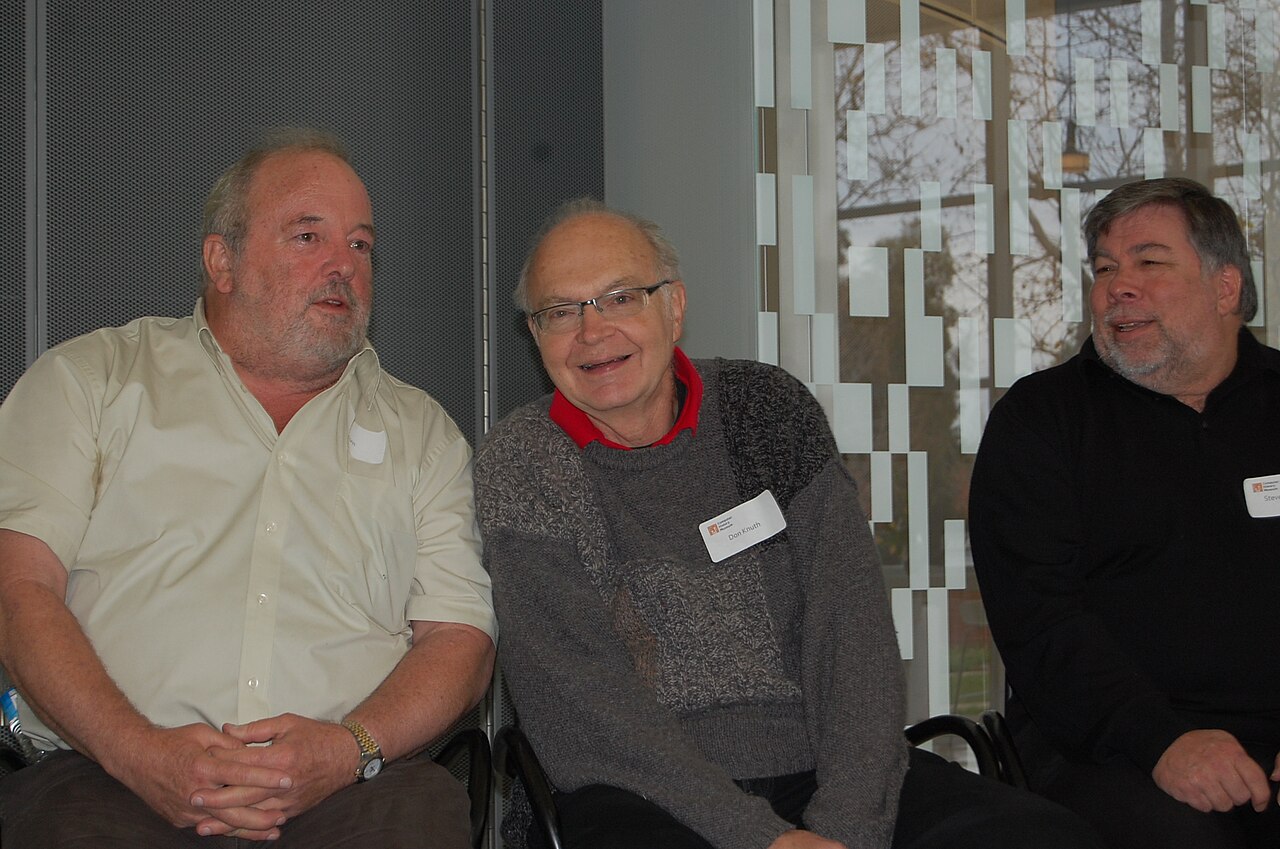
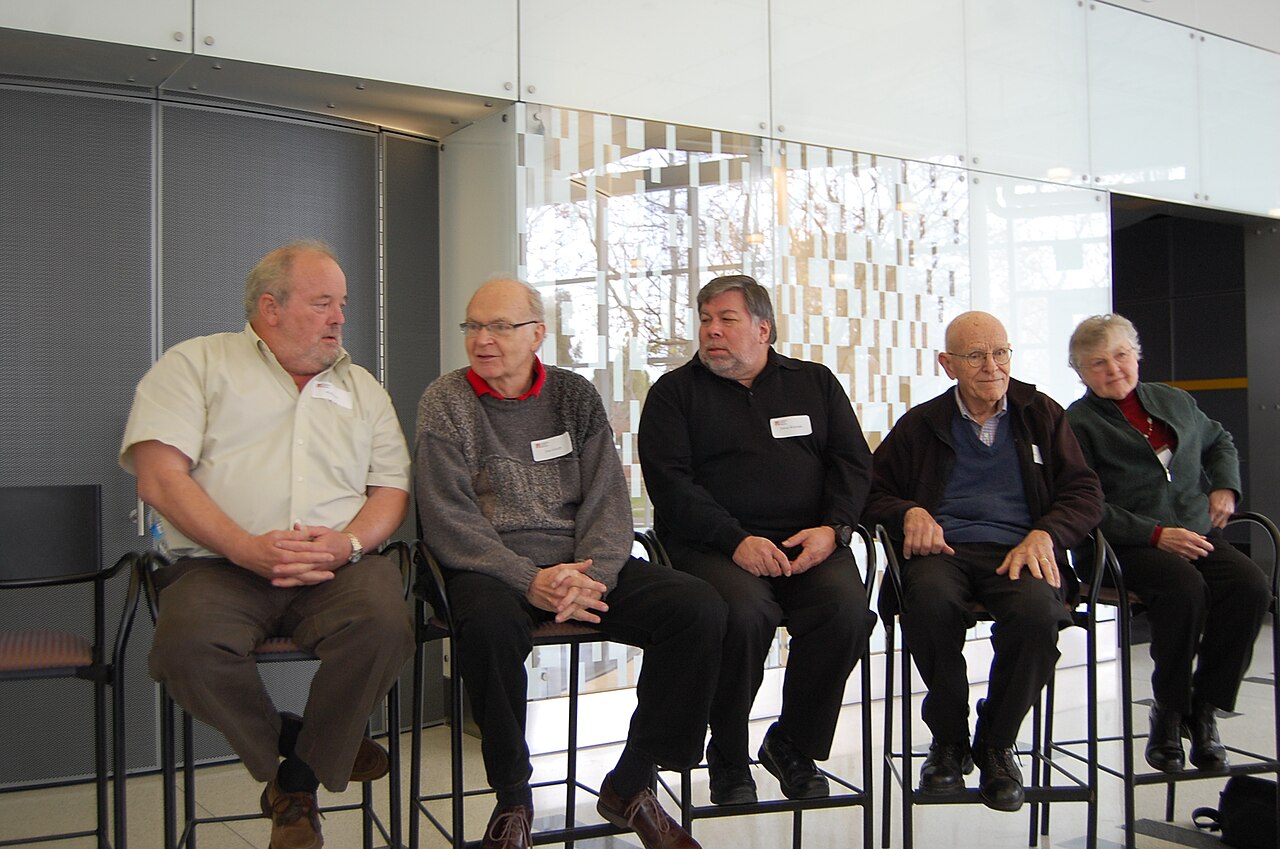
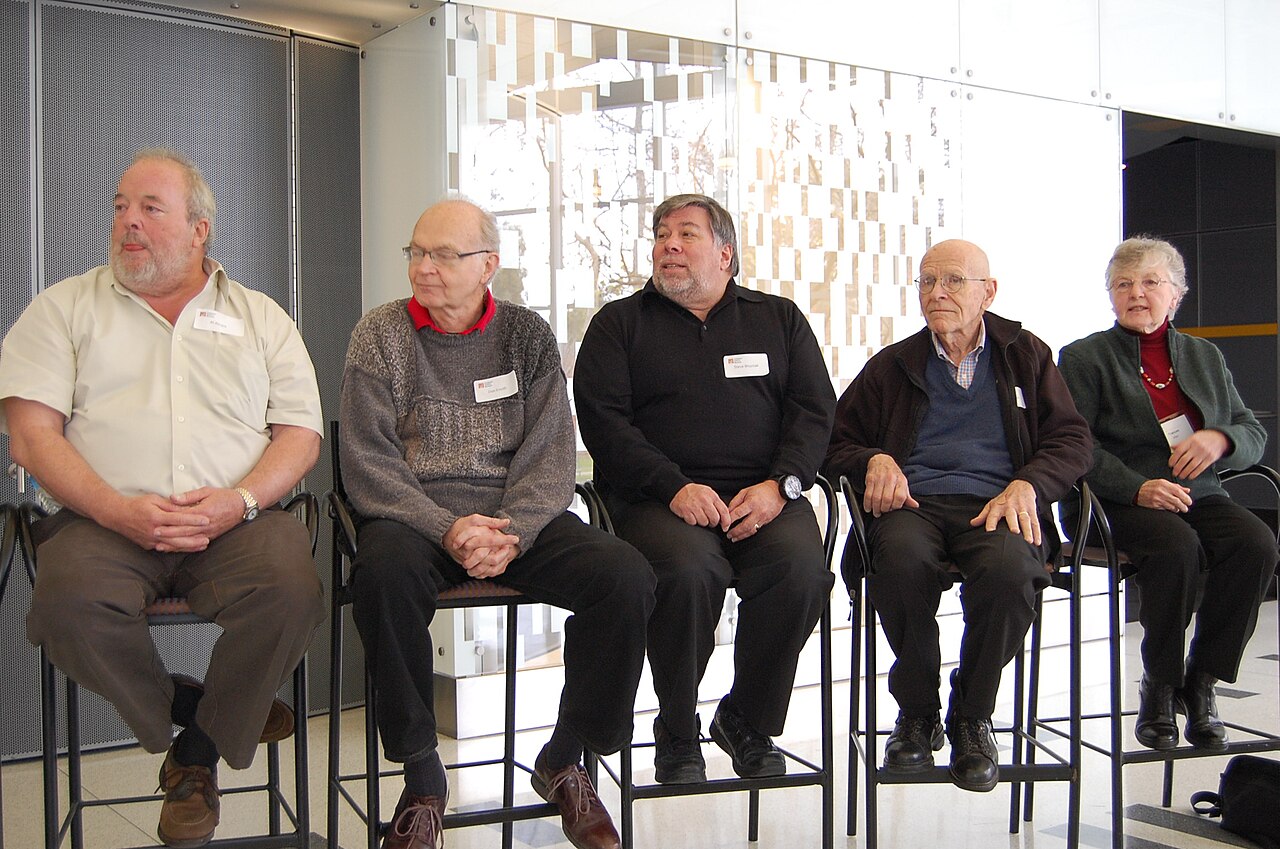
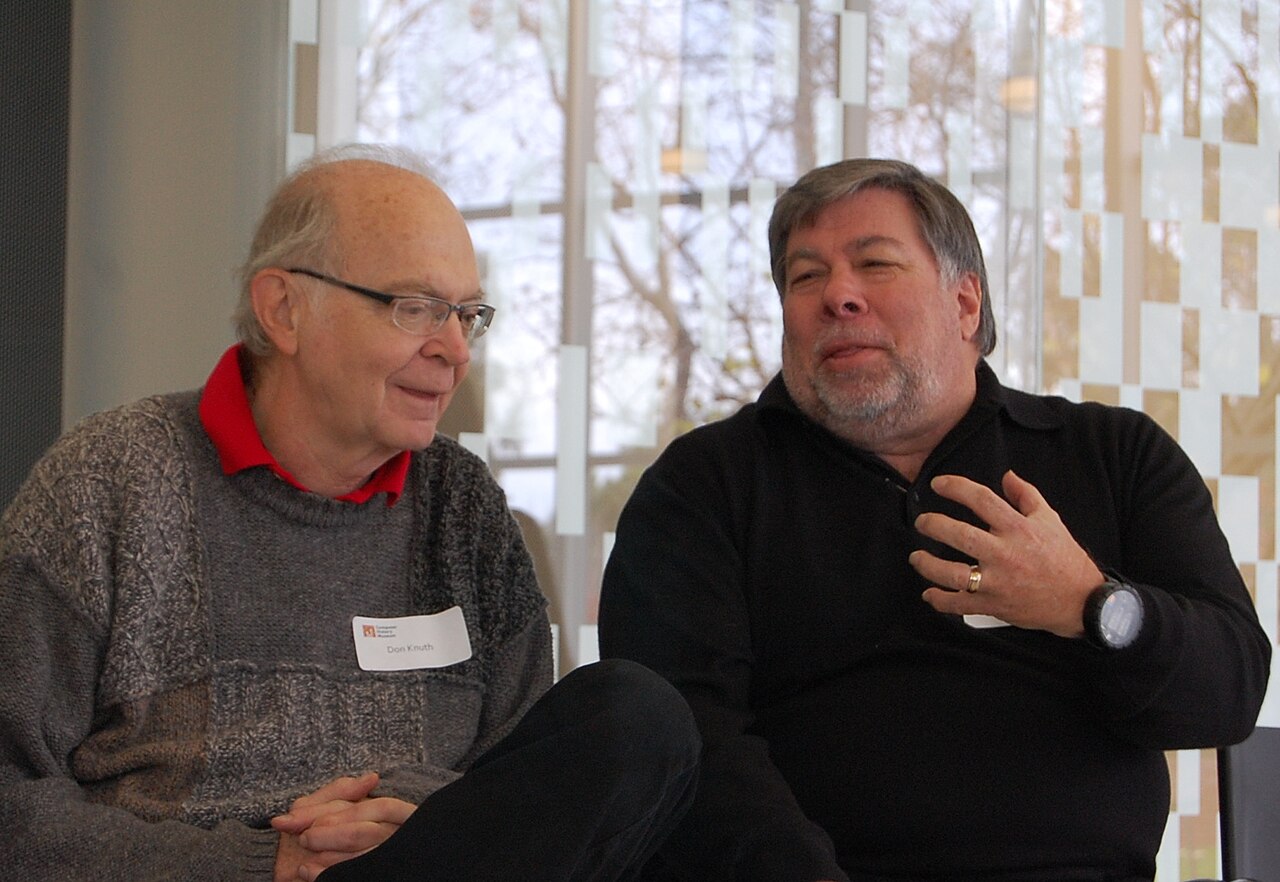
Frequently Asked Questions
Who is Steve Wozniak?
Steve Wozniak, born Stephen Gary Wozniak on August 11, 1950, in San Jose, California, is an American electrical engineer, inventor, and programmer. He is best known as the co-founder of Apple Inc. alongside Steve Jobs.
What did Steve Wozniak invent?
Wozniak designed both the Apple I and Apple II computers, which helped launch the personal computer revolution. He also created what is recognized as the first programmable universal remote control.
What nicknames is Steve Wozniak known by and where did they come from?
He is widely called 'Woz,' a casual shortening of his surname. He also earned the moniker 'Berkeley Blue' after building a blue box for telephone phreaking as a young man.
What inspired Steve Wozniak to pursue engineering?
He has credited the television series Star Trek and the Tom Swift Jr. adventure books as the key influences that sparked his lifelong interest in building and engineering.
Why is Steve Wozniak considered important in technology history?
As the primary hardware designer behind Apple's first two computers, Wozniak played a central role in making personal computing accessible to everyday consumers. His late-1970s work at Apple helped define the modern PC industry.
More in Inventors And Engineers 1-17
Spotted an error? Know more?
This is a living reference — every entry is fact-audited, and reader corrections feed straight into our audit queue. Suggest an edit · See this site's audit record