
Thomas Newcomen
English inventor of the atmospheric steam engine, 1712.

Jpcuvelier · CC BY-SA 4.0
Thomas Newcomen (February 1664 – 5 August 1729) was an English inventor, Baptist preacher, and ironmonger. He is best known for creating the atmospheric steam engine in 1712, a device that revolutionized mine drainage and became a foundational technology of the Industrial Revolution.
- born
- February 1664, Dartmouth, Devon, England
- died
- 5 August 1729, London, England
- field
- Engineering, invention
- nationality
- English
- known_for
- Atmospheric steam engine (1712)
Lore & Background
Thomas Newcomen was born in Dartmouth, Devon, to a merchant family and baptized at St. Saviour's Church on 28 February 1664. He worked as an ironmonger, designing and selling tools for the mining industry. Flooding in coal and tin mines was a major problem, and Newcomen sought to improve water-pumping methods. He combined ideas from Thomas Savery and Denis Papin to create a steam engine that used a piston and beam to pump water from mines. The first successful engine was built at the Conygree Coalworks, Tipton, in the West Midlands.
Newcomen was a lay preacher and teaching elder in the local Baptist church, becoming pastor of a group after 1710. His connection with the Baptist church at Bromsgrove aided the spread of his engine, as engineers Jonathan Hornblower Sr. and his son were members. Newcomen died at the house of Edward Wallin, a Baptist minister, in 1729 and was buried at Bunhill Fields burial ground; the exact site of his grave is unknown.
By 1733, about 125 Newcomen engines had been installed across Britain and Europe, draining coal, tin, copper, and lead mines. The engine held its place for about 75 years, with improvements by John Smeaton and others. It was gradually replaced after 1775 by James Watt's more efficient design, but many Newcomen engines continued in use even during Watt's patent period.
Reader's Guide
Thomas Newcomen's atmospheric engine was a pivotal invention of the early 18th century, directly addressing the critical problem of mine flooding. By combining Savery's vacuum principle with Papin's piston, Newcomen created a reliable, beam-driven pump that could lift water from depths beyond Savery's limited thirty-foot range. The engine spread rapidly to mining districts in Britain and Europe, with about 125 installed by 1733 and roughly 600 built by 1775. Its design remained largely unchanged for 75 years, demonstrating its robustness and suitability for early industrial needs.
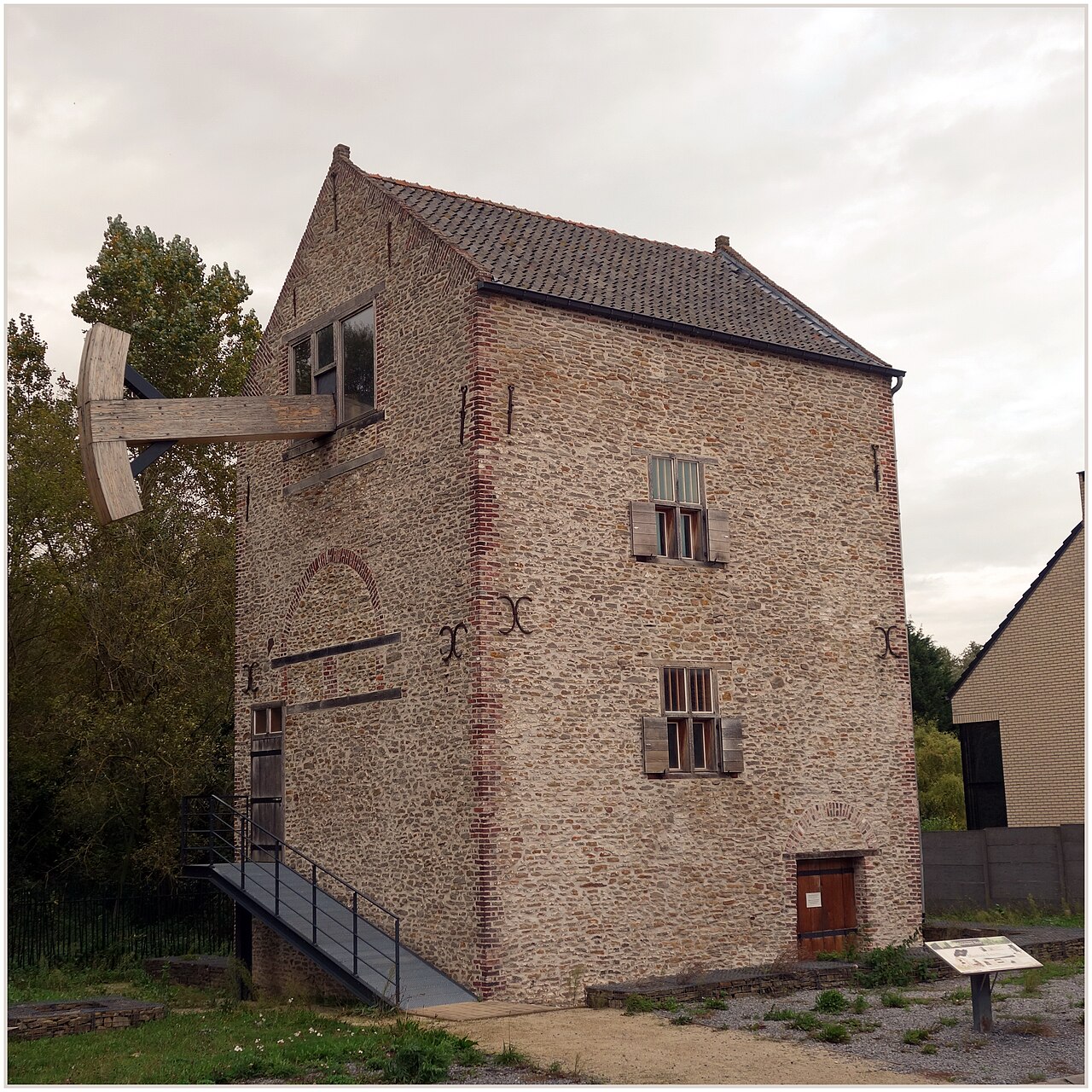
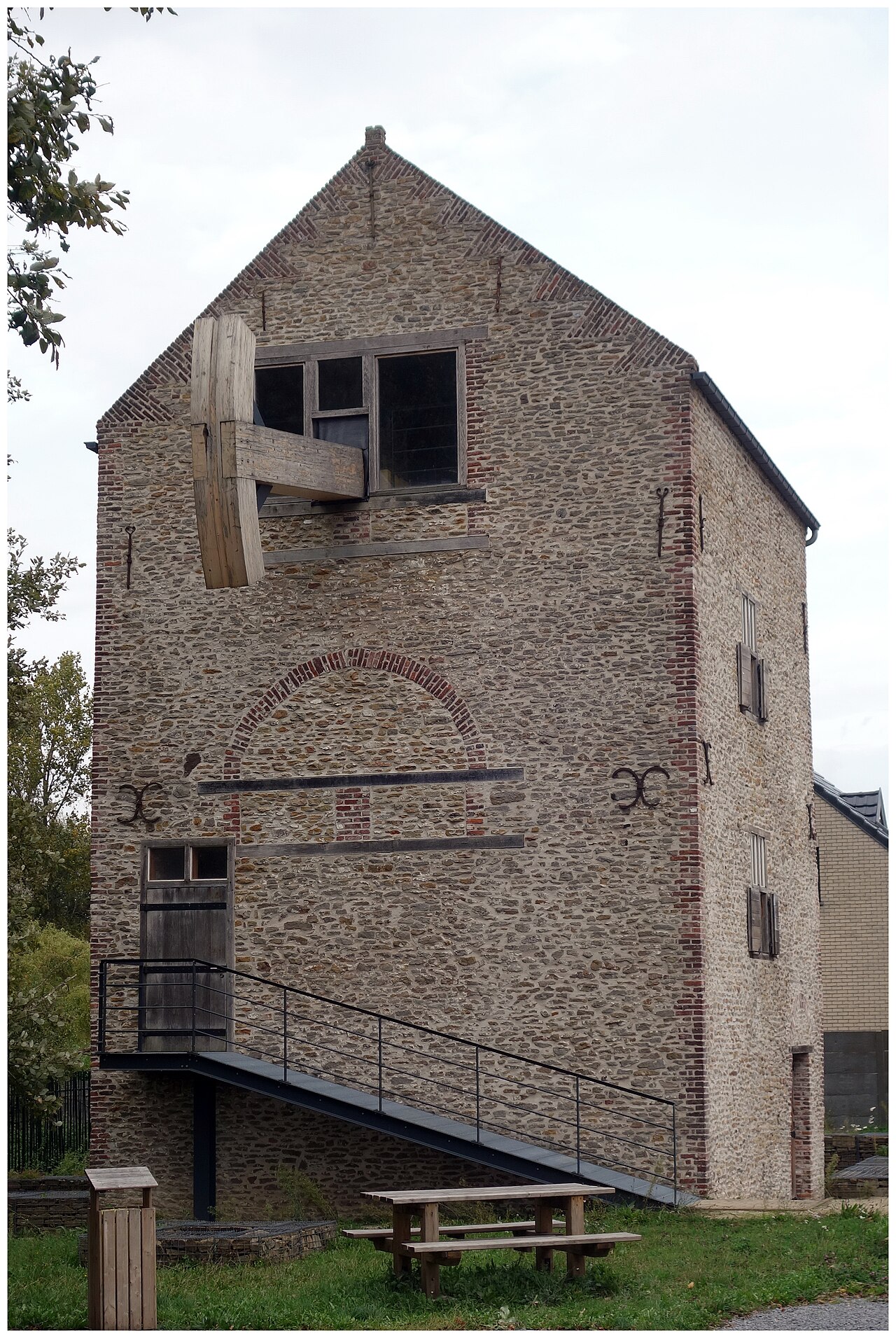
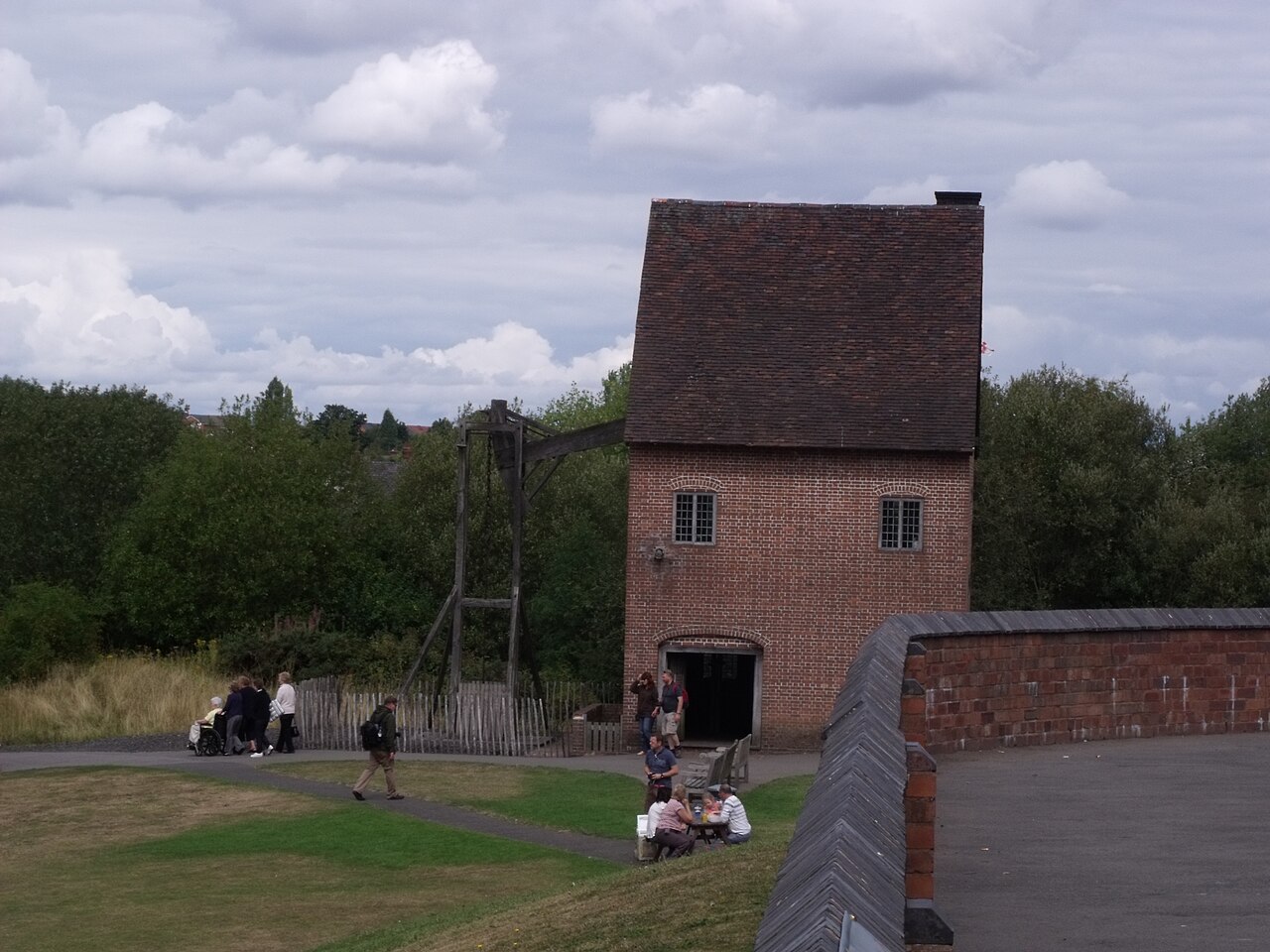
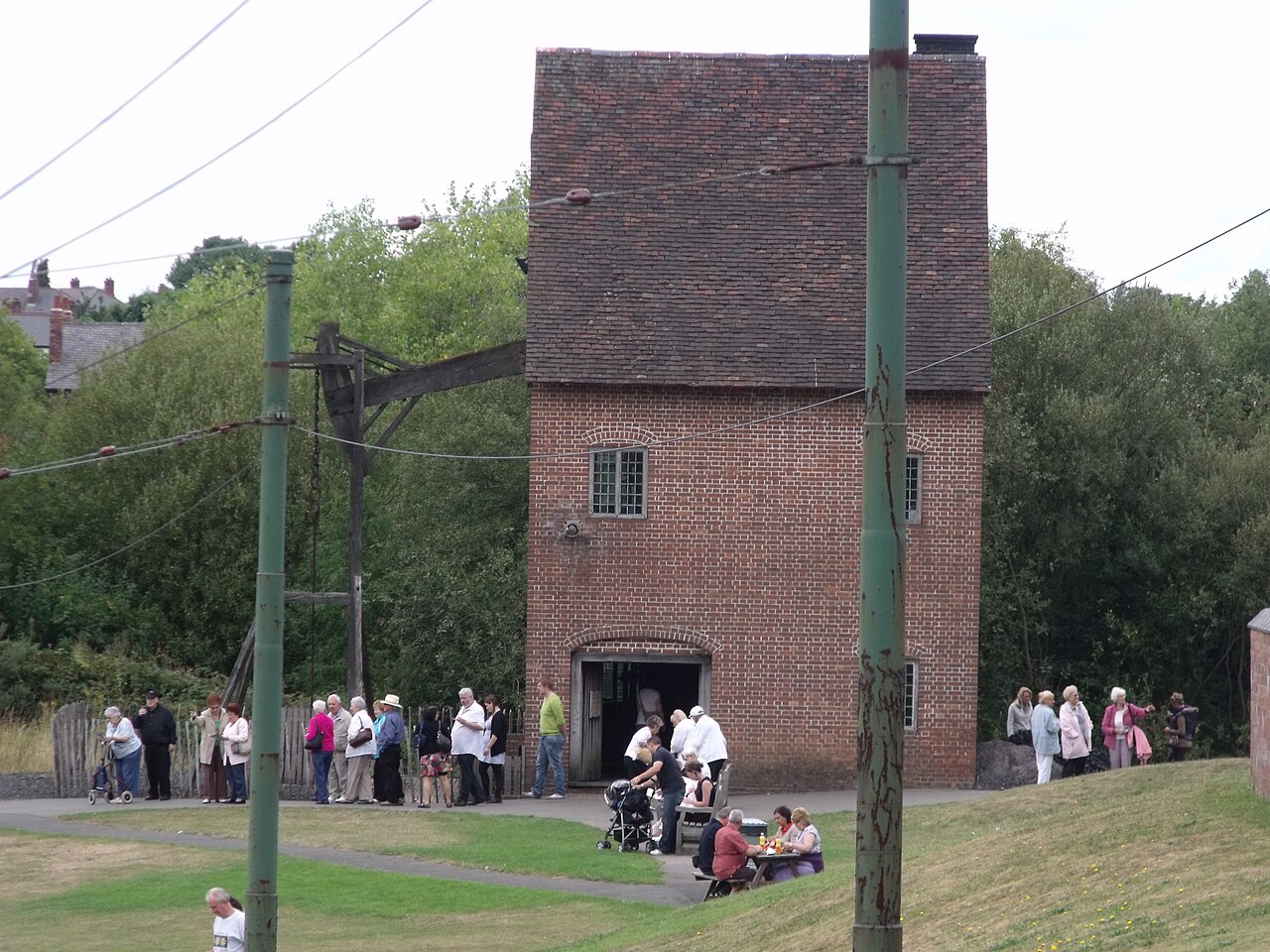
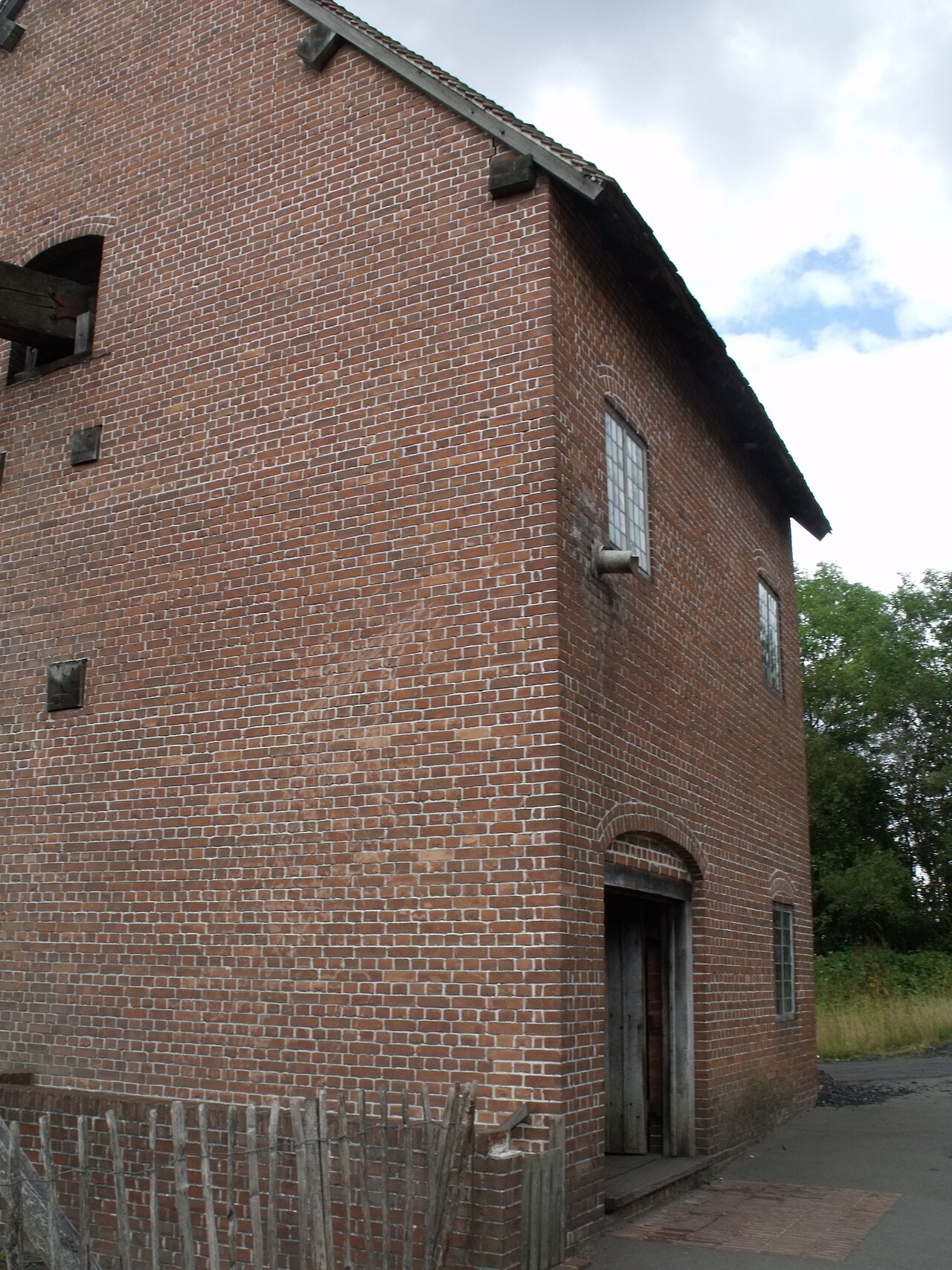
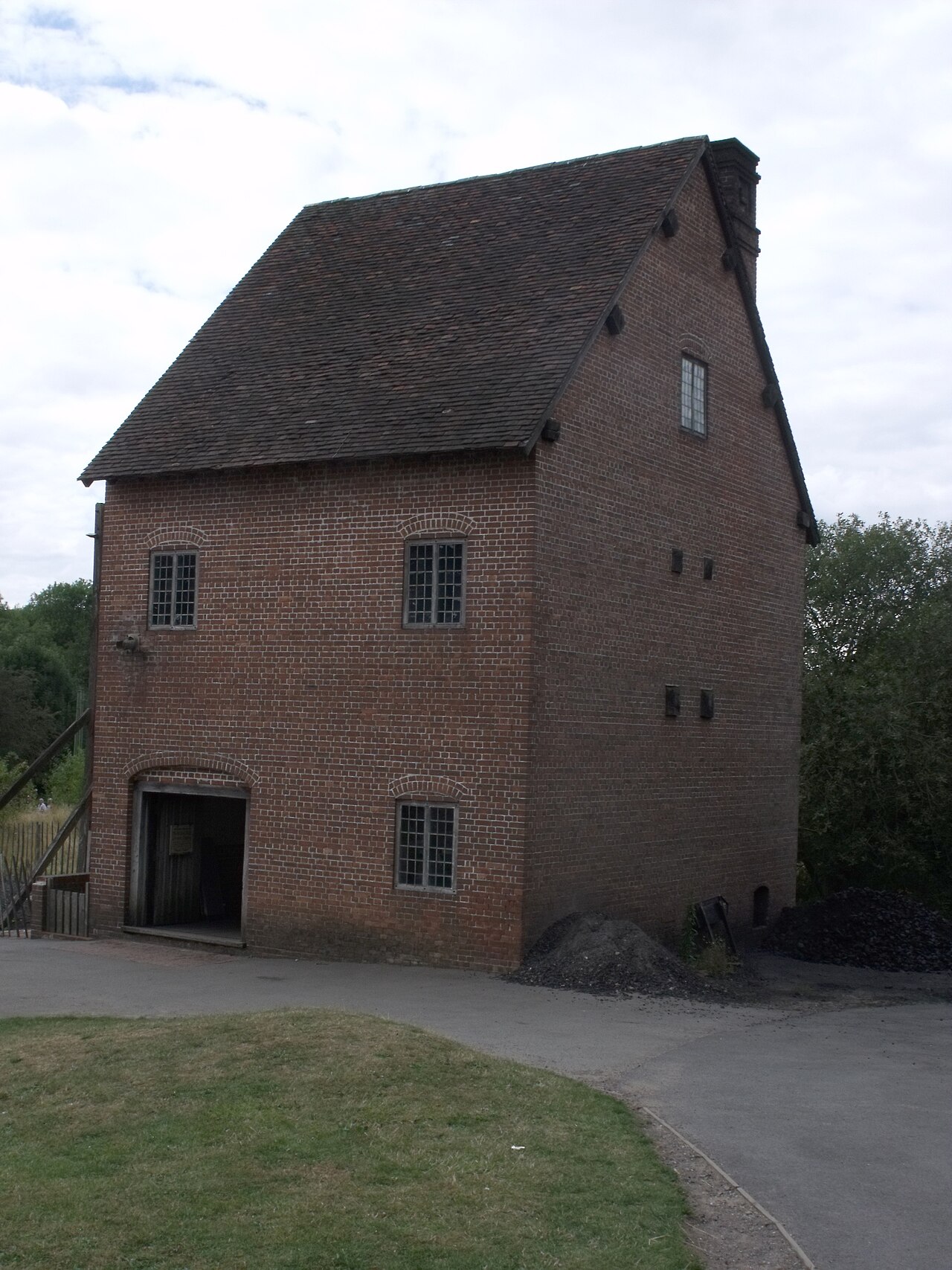
Newcomen's legacy extends beyond his engine. His work enabled deeper mining and laid the groundwork for later steam technology. Although inefficient—losing heat when condensing steam in the cylinder—the engine was practical where cheap coal was available. James Watt's separate condenser, introduced after 1775, greatly improved fuel efficiency, but Newcomen-type engines remained common due to lower cost and simplicity. Of over 2,200 engines built in the 18th century, only about 450 were Watt engines. Surviving examples and replicas, such as those at the Science Museum in London and the Black Country Living Museum, preserve Newcomen's contribution. The Royal Mail honored him with a stamp in 2012 as part of its 'Britons of Distinction' series.
Did You Know?
- Newcomen was a Baptist lay preacher and became pastor of a local Baptist group after 1710.
- His first successful engine was built at the Conygree Coalworks, Tipton, in the West Midlands.
- By 1733, about 125 Newcomen engines had been installed in mining districts across Britain and Europe.
- The exact site of Newcomen's grave at Bunhill Fields burial ground is unknown.
Gallery
Frequently Asked Questions
Who is Thomas Newcomen?
Thomas Newcomen was an Englishman born in 1664 in Dartmouth, Devon, who worked as a Baptist preacher and ironmonger before turning his inventive mind to engineering. He is best remembered for designing the atmospheric steam engine in 1712.
What did Thomas Newcomen invent?
In 1712, Newcomen created the atmospheric steam engine, a machine that used steam pressure and atmospheric force to pump water out of flooded mines. It became the first widely practical engine to convert heat into large-scale mechanical work.
How did the Newcomen engine work?
Steam was admitted into a cylinder to lift a piston, then cold water was injected to condense the steam and create a partial vacuum. The pressure of the atmosphere above the piston then forced it back down, driving a rocking beam that operated the pump rod.
Why is Thomas Newcomen important to the Industrial Revolution?
His engine solved the critical problem of draining water from deep coal and metal mines, making far deeper extraction economically viable. It laid the mechanical groundwork that later engineers such as James Watt refined, making it a foundational technology of industrialization.
When and where did Thomas Newcomen live?
He was born in February 1664 in Dartmouth, Devon, England, and died on 5 August 1729 in London. His active inventive years fell in the early 1700s, during which he developed and installed his steam engines across English mines.
More in Inventors And Engineers 1-17
Spotted an error? Know more?
This is a living reference — every entry is fact-audited, and reader corrections feed straight into our audit queue. Suggest an edit · See this site's audit record