
Tanaka Hisashige
Inventor and founder of Toshiba, known as Japan's Thomas Edison.

三人日 · CC BY-SA 4.0
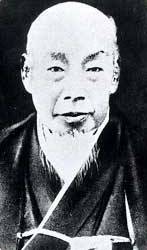
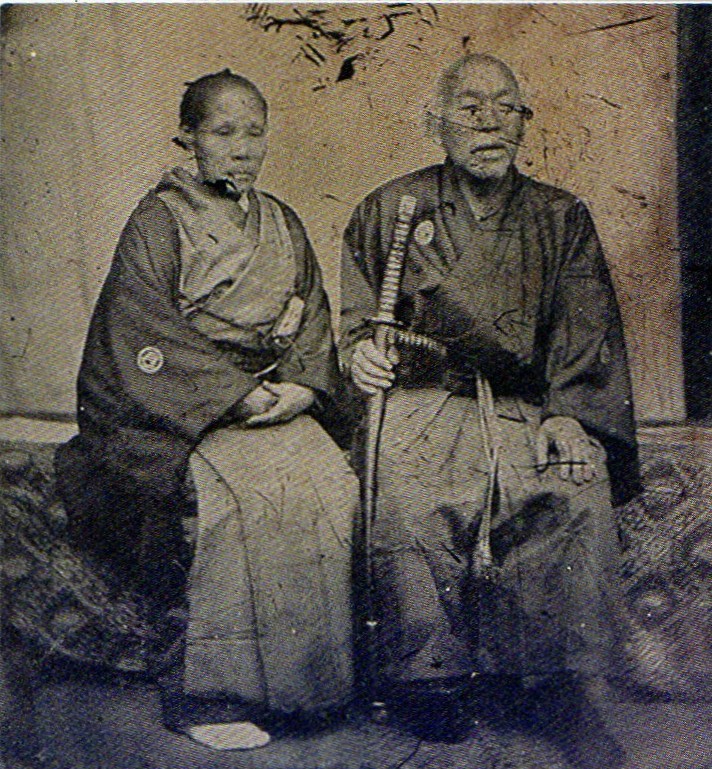
Hisashige Tanaka (October 16, 1799 – November 7, 1881) was a Japanese businessman, inventor, mechanical engineer, and scholar of Western learning (rangaku) active during the Bakumatsu and early Meiji periods. In 1875, he established the company that later became Toshiba Corporation, and he is often called the "Thomas Edison of Japan" or "Karakuri Giemon."
Tanaka was born in Kurume, in what is now Fukuoka Prefecture, as the eldest son of a tortoise shell craftsman. He showed early talent: at age eight, he built an inkstone case with a secret lock that opened only when a cord was twisted in a specific way. By 14, he had invented a loom capable of weaving complex patterns. From age 20, he began making karakuri puppets—autonomous dolls powered by springs, pneumatics, and hydraulics—that could perform relatively complex movements. These were highly sought after by Kyoto aristocrats, feudal lords, and the shogun’s court. At 21, he traveled the country performing at festivals with his clockwork dolls. He declined to take over his family’s business, leaving it to his younger brother, and focused entirely on karakuri. His best-known puppet masterpieces are the arrow-shooting boy (Yumi-Hiki Doji) and the letter-writing doll (Moji-kaki doll).
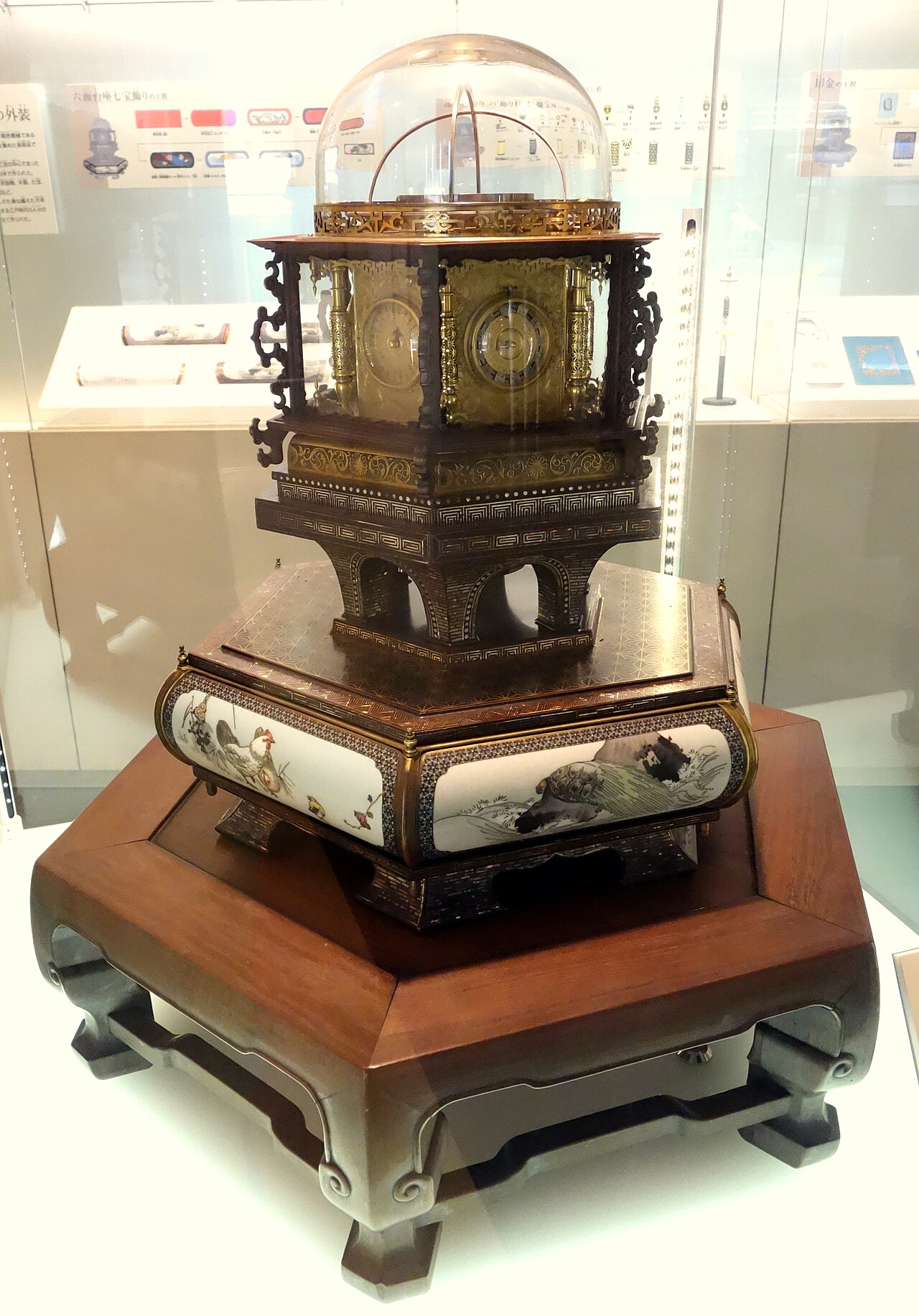
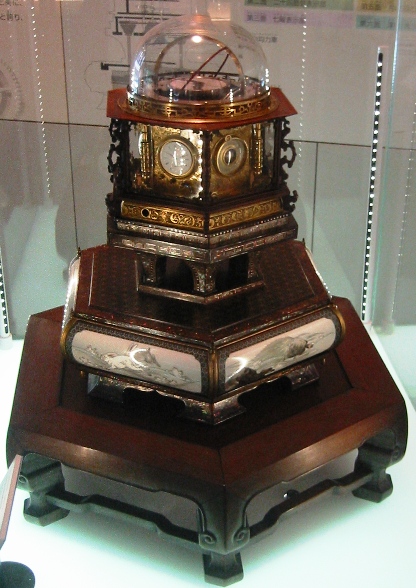
In his mid-thirties, Tanaka turned to more practical inventions. In 1834, he moved to Osaka, where he experimented with pneumatics, hydraulics, and rapeseed oil lighting, creating a pocket candlestick and an oil lamp with an air-pressurized fuel pump that became very popular. He then moved to Kyoto to study Western learning and astronomy, inventing a pneumatic fire pump. In 1851, he built the myriad year clock, now designated an Important Cultural Property by the Japanese government.
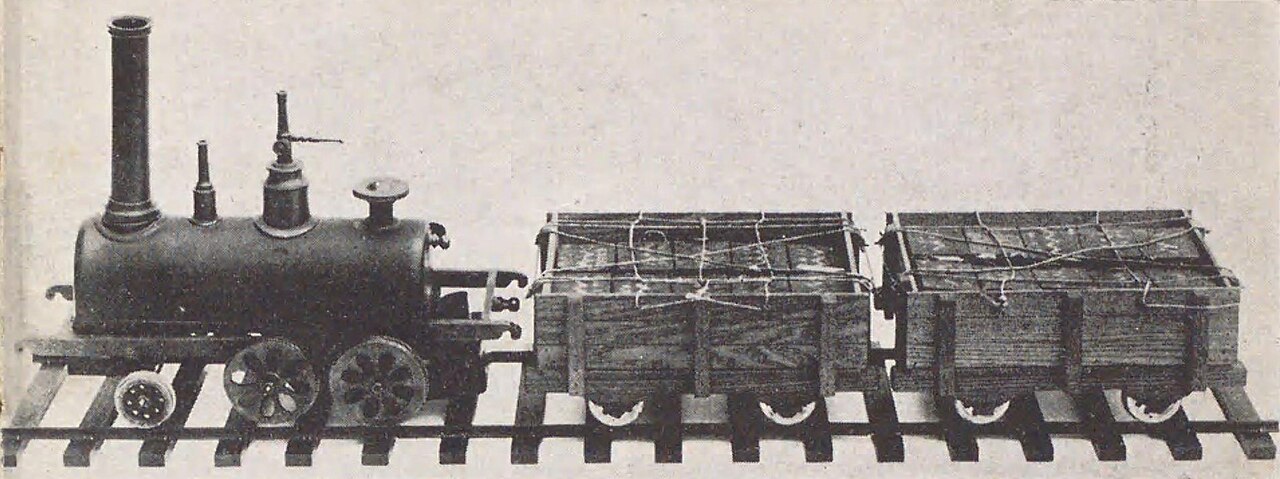
As the Sonnō jōi movement made Kyoto increasingly hostile to foreign technology, Tanaka was invited by Sano Tsunetami to Saga Domain in Kyūshū, where he was welcomed by Nabeshima Naomasa. There, he designed and built Japan’s first domestically made steam locomotive and steam warship, despite having no prior experience—he relied on a Dutch reference book and had watched a steam engine demonstration by Russian diplomat Yevfimy Putyatin in Nagasaki in 1853. He later studied at the Nagasaki Naval Training Center. When the center closed and its Dutch advisors left, Tanaka returned to Saga to work at the Seirenkata, where he built models of steam warship
- born
- October 16, 1799
- died
- November 7, 1881
- field
- Businessman, inventor, mechanical engineer, rangaku scholar
- nationality
- Japanese
- known_for
- Founding Toshiba Corporation; inventing karakuri dolls; building Japan's first domestically made steam locomotive and steam warship
Lore & Background
Tanaka was born in Kurume, Chikugo province (present-day Fukuoka prefecture), the eldest son of a tortoise shell craftsman. Apprenticed early, he showed remarkable skill: at age eight he invented an inkstone case with a secret lock, and at 14 a loom for intricate fabric designs. From age 20 he made karakuri puppet dolls—autonomous dolls powered by springs, pneumatics, and hydraulics—that were sought by aristocrats, daimyō, and the Shōgun's court. At 21 he performed at festivals with his clockwork dolls. He declined the family business, focusing on karakuri, with masterpieces including the Yumi-Hiki Doji (arrow-shooting boy) and Moji-kaki doll (letter-writing doll).
In his mid-thirties he turned to practical inventions. In 1834 he moved to Osaka, experimenting with pneumatics, hydraulics, and rapeseed oil lighting, creating a pocket candlestick and an oil lamp with an air-pressurized fuel pump. In Kyoto he studied rangaku (western learning) and astronomy, invented a pneumatic fire pump, and in 1851 built a myriad year clock, now an Important Cultural Property. Due to the Sonnō jōi movement's hostility to foreign technology, he was invited to Saga Domain, where he designed and built Japan's first domestically made steam locomotive and steam warship, using a Dutch reference book and a demonstration by Russian diplomat Yevfimy Putyatin in 1853. He later studied at the Nagasaki Naval Training Center, then worked at the Seirenkata, building models of steam warships, a steam locomotive, and experimenting with telegraphs and a glass factory. He also helped construct a reverberatory furnace for Armstrong guns and, in 1864, returned to Kurume Domain to develop modern weaponry.
In 1873, six years after the Meiji Restoration, the 74-year-old Tanaka was invited by the Ministry of Industry to Tokyo to make telegraphs. He relocated to Ginza in 1875, renting a temple's second floor in what is now Roppongi as a workshop that became his first company—Tanaka Seisakusho (Tanaka Engineering Works), Japan's first telegraph equipment manufacturer. After his death in 1881, his son founded Tanaka Engineering Works, which later became Shibaura Engineering Works in 1904, and after a 1939 merger with Tokyo Denki, became Tokyo Shibaura Denki, now Toshiba.
Reader's Guide
Tanaka Hisashige's significance lies in his role as a bridge between traditional Japanese craftsmanship and modern industrial technology. Starting as a maker of intricate karakuri dolls, he later applied his mechanical skills to practical inventions, including lighting, fire pumps, and the famous myriad year clock. His move to Saga Domain enabled him to create Japan's first domestically built steam locomotive and steam warship, critical steps in the country's industrialization. His later work in telegraphy led to the founding of Tanaka Seisakusho, which evolved into Toshiba, a global electronics giant. His legacy is that of a versatile inventor who adapted Western knowledge to Japanese needs, earning comparisons to Thomas Edison. The preservation of his myriad year clock as an Important Cultural Property underscores his lasting impact on Japanese technological heritage.
Did You Know?
- At age eight, Tanaka invented an inkstone case with a secret lock that required a cord to be twisted in a certain manner to open.
- He built Japan's first domestically made steam locomotive and steam warship while in Saga Domain.
- His myriad year clock, built in 1851, is designated as an Important Cultural Property by the Japanese government.
- He founded Tanaka Seisakusho in 1875, which later became the Toshiba Corporation.
Childhood Prodigy and the Karakuri Master
Born in 1799 in Kurume, in what is now Fukuoka prefecture, Tanaka Hisashige entered the world as the eldest son of a tortoise shell craftsman. Apprenticed from a young age, he displayed a mechanical instinct that would define his entire life. At just eight years old, he designed an inkstone case featuring a concealed lock that could only be released by twisting a cord in a precise sequence. By fourteen, he had constructed a loom capable of weaving complex patterns into fabric.
From the age of twenty, Tanaka turned his talents toward karakuri puppetry—autonomous dolls driven by springs, pneumatics, and hydraulics that performed surprisingly intricate movements. These creations were highly sought after by Kyoto's aristocracy, regional daimyō, and the Shōgun's court in Edo. At twenty-one, he was already traveling the country, performing with his own clockwork figures at festivals. He formally relinquished his inheritance to his younger brother so he could devote himself entirely to the craft. His most celebrated works, the arrow-shooting boy (Yumi-Hiki Doji) and the letter-writing doll (Moji-kaki), remain emblematic of his genius. He is often remembered by the nickname "Karakuri Giemon."
From Oil Lamps to Steam: The Practical Inventor
In his mid-thirties, Tanaka felt a pull toward more utilitarian engineering. In 1834 he settled in Osaka, exploring pneumatics, hydraulics, and rapeseed-oil lighting. His pocket candlestick and an oil lamp with an air-pressurized fuel pump became widely popular. He then moved to Kyoto, immersing himself in rangaku and astronomy, where he built a pneumatic fire pump and, in 1851, a myriad-year clock now designated an Important Cultural Property.
The Sonnō jōi movement soon made foreign technology a dangerous subject in Kyoto. Tanaka was summoned to Saga Domain in Kyūshū by Sano Tsunetami and welcomed by Nabeshima Naomasa. With no prior steam-engineering background, he relied on a Dutch reference book and memories of watching Russian diplomat Yevfimy Putyatin demonstrate a steam engine in Nagasaki in 1853. He designed and built Japan's first domestically produced steam locomotive and steam warship. After studying at the Nagasaki Naval Training Center and later working at the Seirenkata, he produced models of screw-driven and side-paddle warships, continued locomotive work, and experimented with telegraph and glass manufacturing. He also contributed to a reverberatory furnace for Armstrong guns before returning to Kurume in 1864 to help develop modern weaponry.
The Seed of Toshiba
In 1873, six years after the Meiji Restoration, a seventy-four-year-old Tanaka was still energetic enough to accept an invitation from the Ministry of Industry to travel to Tokyo and manufacture telegraph equipment at the ministry's small factory. Two years later, in 1875, he relocated to the Ginza district and rented the second floor of a temple in what is now Roppongi as his workshop. That modest space grew into Tanaka Seisakusho, or Tanaka Engineering Works, which became Japan's first manufacturer of telegraph equipment.
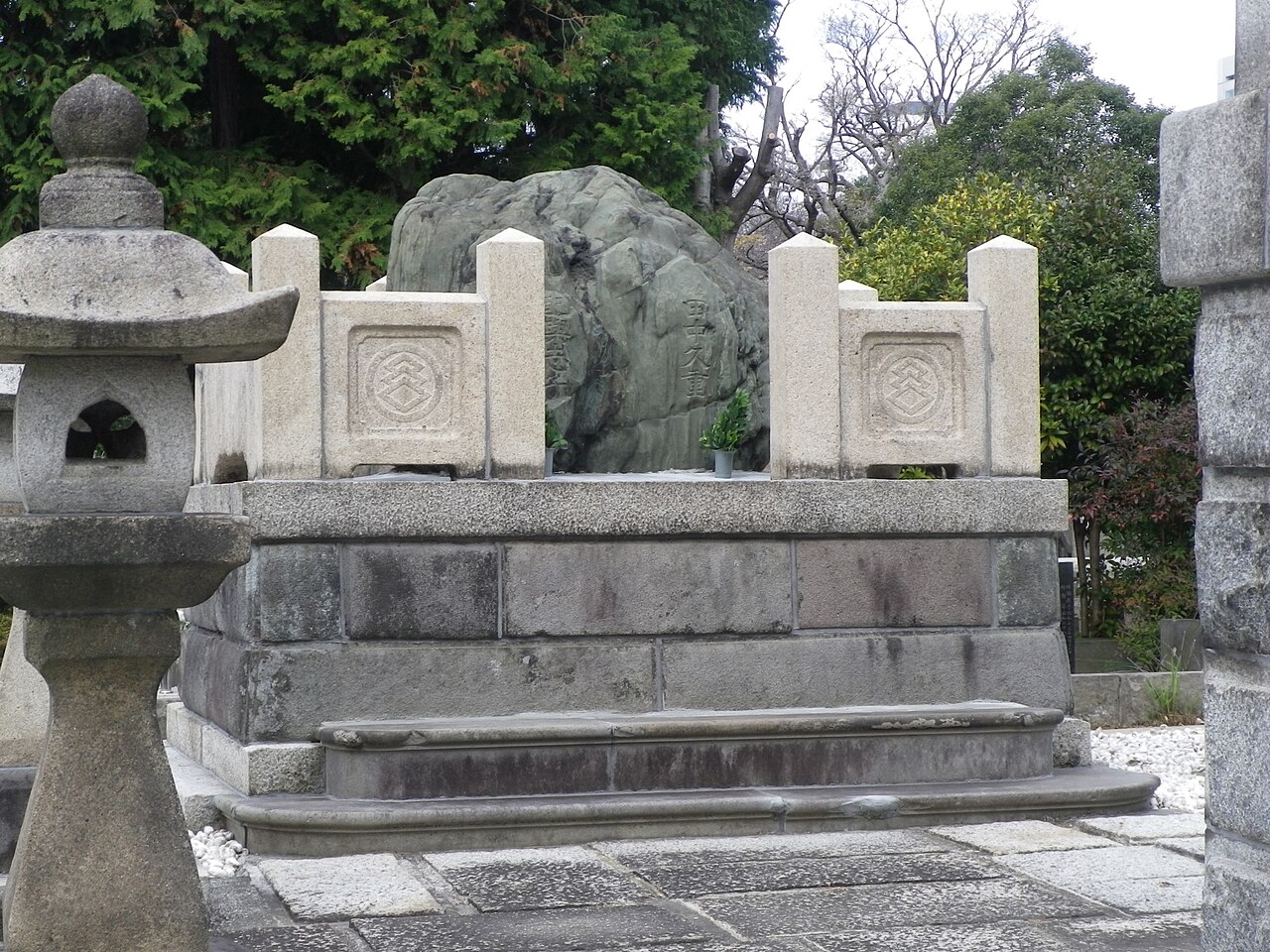
Tanaka died in November 1881, but his enterprise outlived him. His son established a successor company, Tanaka Seizōsho, which in 1904 was renamed Shibaura Engineering Works. In 1939, Shibaura merged with Tokyo Denki to form Tokyo Shibaura Denki—the name that gave rise to the company known worldwide as Toshiba. This corporate lineage, stretching from a rented temple floor in Roppongi to one of Japan's largest industrial conglomerates, stands as perhaps the most enduring testament to Tanaka's vision. His peers and later admirers have called him the "Thomas Edison of Japan," a comparison that captures both the breadth of his inventive output and the lasting institutional legacy he planted.
A Life in Motion: Navigating Japan's Transformation
Tanaka Hisashige lived through one of the most turbulent stretches in Japanese history, spanning the late Edo period, the Bakumatsu upheaval, and the early Meiji era. His career was marked by constant relocation, each move driven by opportunity or danger. He left Osaka for Kyoto to pursue rangaku and astronomy, then fled the increasingly hostile atmosphere of the Sonnō jōi movement to find refuge in Saga Domain. After the Nagasaki Naval Training Center closed and its Dutch advisors departed, he returned to Saga's Seirenkata. In 1864 he went back to his native Kurume Domain to assist with modern weaponry, and in 1873 the newly established Meiji government summoned him to Tokyo.
This pattern of movement reflects a man who refused to be pinned to a single place or discipline. He transitioned from tortoise-shell craftsmanship to karakuri puppetry, then to practical lighting and pneumatics, then to steam engineering, telegraphy, and glass manufacturing. As a rangaku scholar, he absorbed Western scientific knowledge while remaining rooted in Japanese artisanal tradition. His life, spanning from 1799 to 1881, became a living bridge between the feudal world of daimyō courts and the industrial ambitions of a modernizing nation.
Gallery
Frequently Asked Questions
Who is Tanaka Hisashige?
Tanaka Hisashige (1799–1881) was a Japanese inventor, mechanical engineer, and businessman who lived through the Bakumatsu and early Meiji eras. He is best remembered as the founder of the company that eventually grew into Toshiba Corporation.
What are Tanaka Hisashige's most notable inventions?
He is credited with creating karakuri (mechanical) dolls, building Japan's first domestically produced steam locomotive, and designing a steam-powered warship. His inventive range also included mechanical puzzles and lock mechanisms he was crafting as a child.
Why is Tanaka Hisashige called the 'Thomas Edison of Japan'?
The nickname reflects his prolific, hands-on approach to engineering and invention across multiple fields, much like Edison's diverse portfolio in the West. It also acknowledges his role in laying the industrial groundwork for modern Japanese technology through his founding of what became Toshiba.
What is the nickname 'Karakuri Giemon' and where does it come from?
'Karakuri Giemon' is a popular moniker that highlights his skill in building karakuri—elaborate mechanical automata and dolls with hidden moving parts. The name pairs his craft (karakuri) with a familiar-sounding personal name (Giemon) to make him memorable in folk retellings.
When and where was Tanaka Hisashige born, and how did he die?
He was born on October 16, 1799, in Kurume (present-day Fukuoka Prefecture) as the eldest son of a tortoise-shell craftsman. He passed away on November 7, 1881, having lived to see the early years of the Meiji era he helped shape.
More in Inventors And Engineers 1-17
Spotted an error? Know more?
This is a living reference — every entry is fact-audited, and reader corrections feed straight into our audit queue. Suggest an edit · See this site's audit record